
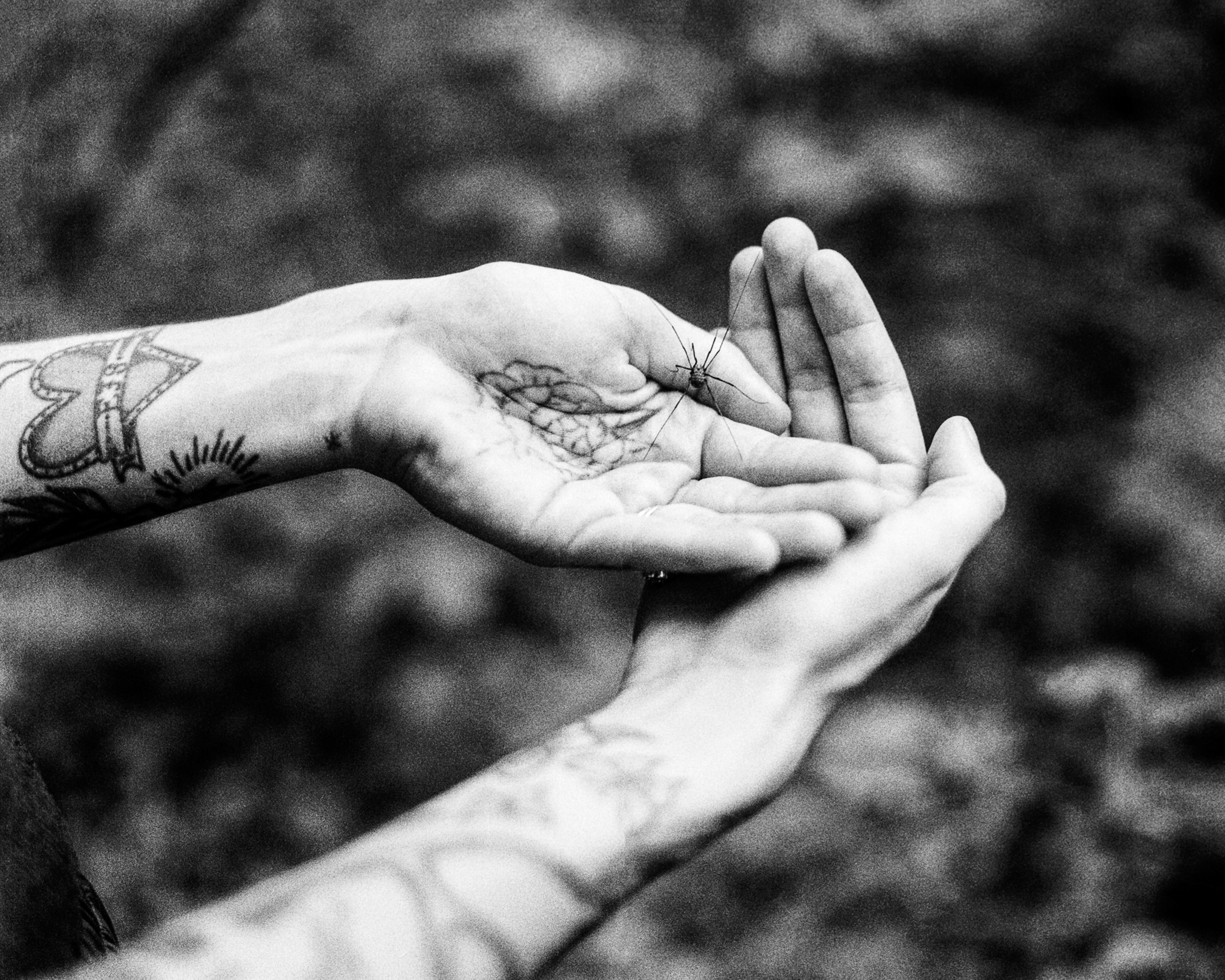
try, take time – take time, try began as a personal reminder for Jesse Ly. Over time, it grew into an expansive body of work exploring care, grief, labor, rest, community, and the relationships that sustain us. Through photographs, sculpture, and writing, Jesse examines what it means to move through the world with intention—holding space for both action and tenderness.
In this conversation, Jesse reflects on the origins of the project, the role of care in his practice, and several key images from the series.
Interview by Asa Featherstone, IV
Edited for clarity
Interview | Jesse Ly
try, take time – take time, try
Let's start with the title. Where did try, take time – take time, try come from?
The work came together when I realized I wanted to invest in something long-term. Before this project, I often worked in spurts and pieced things together afterward. I wanted to commit to a body of work and give it the time it needed.
The title started as a reminder to myself: try, take time. It was a way of reminding both myself and the work to show up and be present. As the project evolved, it became more of a call-and-response. Sometimes it's try, take time. Other times it's take time, try.
At its core, the project is asking two questions: when do we need to hold our convictions and show up fully, and when do we need to be softer with ourselves? When do we need to push forward, and when do we need to rest? The title reflects that ongoing back-and-forth.
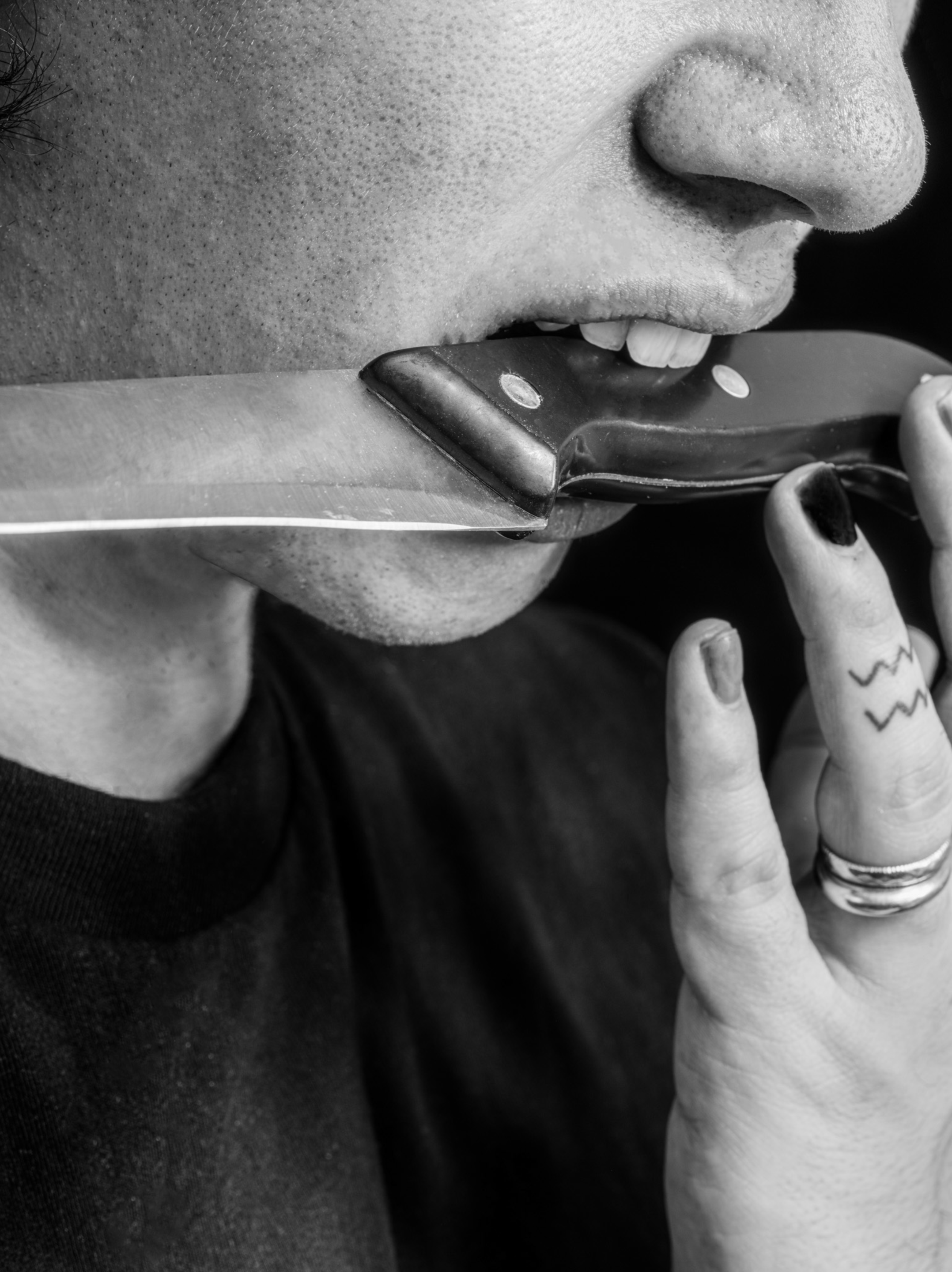
Jesse Ly, transition to action.
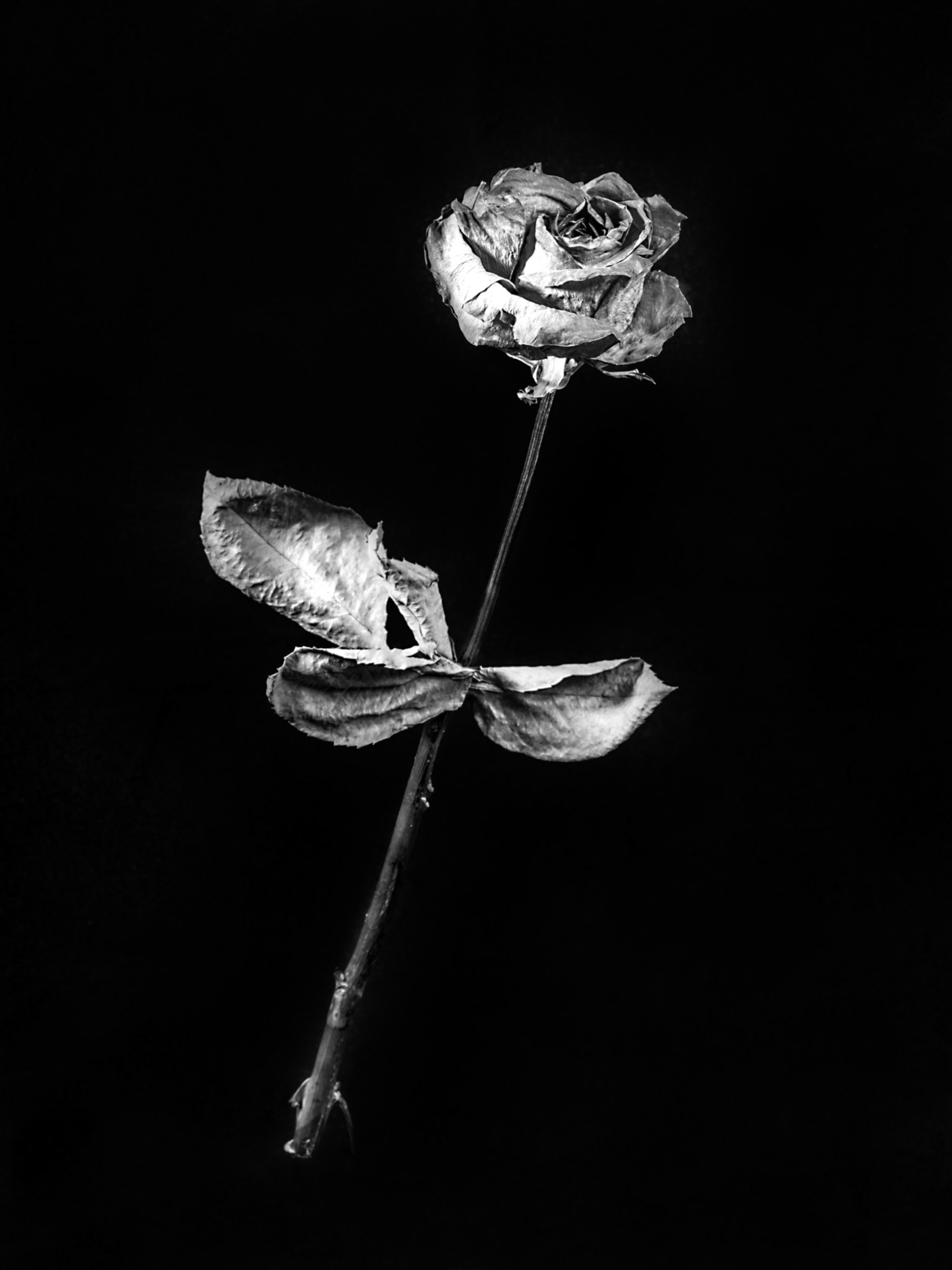
Jesse Ly, connect & embrace.
Your project often centers around care, particularly in relation to time and repetition. How does that connect to what you're making?
The work is deeply tied to identity because I don't know how to earnestly make photographs for me and my process that aren’t informed by my own perspective.
When I was finishing undergrad, my work was very analytical. I was interested in process, experimentation, and theory. That way of working gave me a foundation, but everything shifted when my father passed away.
I felt an urgent need to make something in response—to honor him, but also to navigate my own grief. Spending long periods of time in the studio became part of that process. It forced me to ask questions I hadn't considered before: Why am I making work? What is the purpose behind it? What am I actually trying to hold onto?
Over time, those questions led me toward care. Care became a lens through which I could think about my relationships—with my partner, my friends, my community, and myself. It became a way of understanding what felt meaningful enough to photograph.
That's also why the people in these images are people I know and care about. I'm not interested in observing strangers from a distance. I want the photographs to exist within relationships that are built on trust. I want the way I photograph to feel cared for.
As the project has grown, I've realized that care isn't a single subject. It appears in different forms. Sometimes it's grief. Sometimes it's labor. Sometimes it's rest. Sometimes it's simply paying attention to a fleeting moment before it disappears.
Those moments have become the foundation of the work.
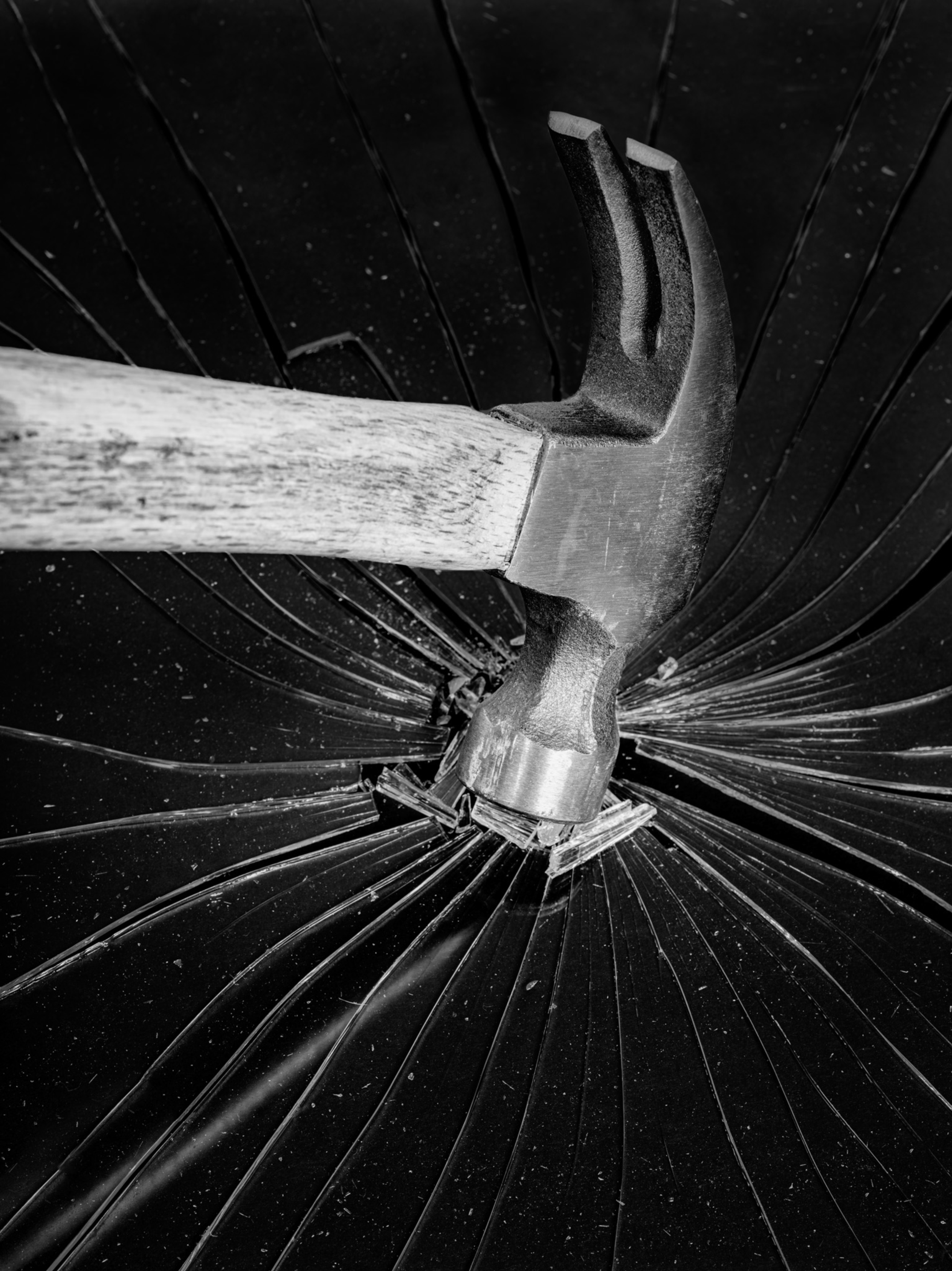
Jesse Ly, shatter view.
Are there particular images from the series that feel central to those ideas?
Absolutely. One of the most important images in the project is shatter view.
The hammer has become a recurring symbol in my work. Functionally, it's a tool. Symbolically, it represents labor, transformation, and action. A hammer can build something, but it can also break something apart to make room for something new.
The photograph itself was carefully constructed. I built the scene and photographed the exact moment the glass shattered.
For me, the image is asking what happens when change becomes necessary. Sometimes we reach a point where something no longer serves us. Sometimes moving forward requires a decisive action.
The hammer becomes a way of thinking about those moments. When does the glass need to break? When do we need to create a rupture in order to make room for growth?
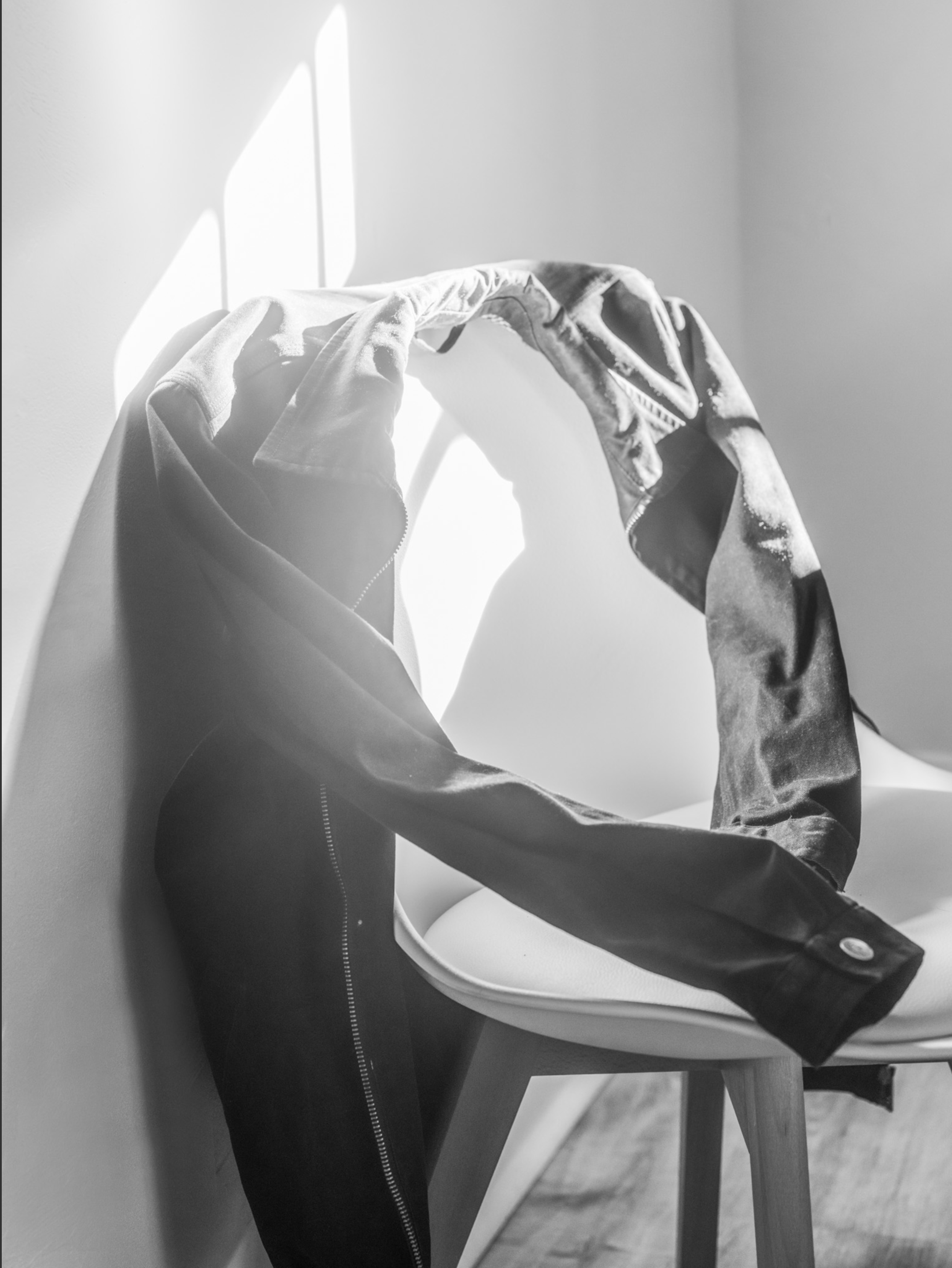
Jesse Ly, moments between labor.
Ok. That's one of my new favorite images now! Let's talk about another one: moments between labor.
In a lot of ways, that photograph is the opposite of shatter view. Instead of action, it's about rest.
I was staying in Pittsburgh and had left my chore jacket draped over the back of a chair. The next morning, light from an east-facing window fell across it in a way that immediately caught my attention.
The jacket is a symbol of work. It's meant to protect us while we're doing something. But in that moment, it wasn't being used. It was simply existing.
That photograph became a way of thinking about what happens between periods of labor. What does rest look like? What does it mean to step away from productivity and allow something to simply be?
The image feels quiet to me. The light is gentle. The gesture is simple. But that's exactly why it belongs within the project.
I find it interesting that the work is deeply personal, but it never feels inaccessible. The more specific the photographs become—to your life, your relationships, your community—the more people seem to find themselves within them.
I hope that's true.
I think whatever I make has to come from a place that feels honest. That's the only way I know how to work. The photographs are rooted in specific experiences and relationships, but the emotions attached to them aren't unique to me.
Most people understand grief. Most people understand care. Most people understand what it feels like to want rest, or connection, or change. I think that's where the work finds broader appeal. Not because it's trying to speak universally, but because it's trying to speak honestly.
Do you think living and working in the Midwest shapes how you think about care?
Absolutely. The Midwest is often treated as an in-between place, and as a result, communities here frequently have to advocate for themselves. There's a strong culture of labor, resourcefulness, and showing up for one another.
Many of these places were built around industry and work. That history still influences how people relate to one another. There's a sense that if we want something to exist, we have to build it ourselves. If we want community, we have to create it. There's something incredibly endearing about that.
What else do you want to say about the work?
One of the most rewarding parts of showing this project has been the conversations it creates. Every time I’ve had the chance to show this work, people bring their own experiences to it. They connect it to their own relationships, memories, losses, and hopes.
What I've realized is that the photographs don't end when they're shown. They continue through the people who encounter them and the meanings they bring with them. That's been one of the most meaningful parts of the process.
I think that's what successful work does. It creates room for people to bring something of themselves into it.
If I'm fortunate enough to keep making work, I want to continue working slowly. I love a slow burn. I love giving ideas time to evolve and reveal themselves. That's really what this project has taught me.
To try. To take time. And then to try again.
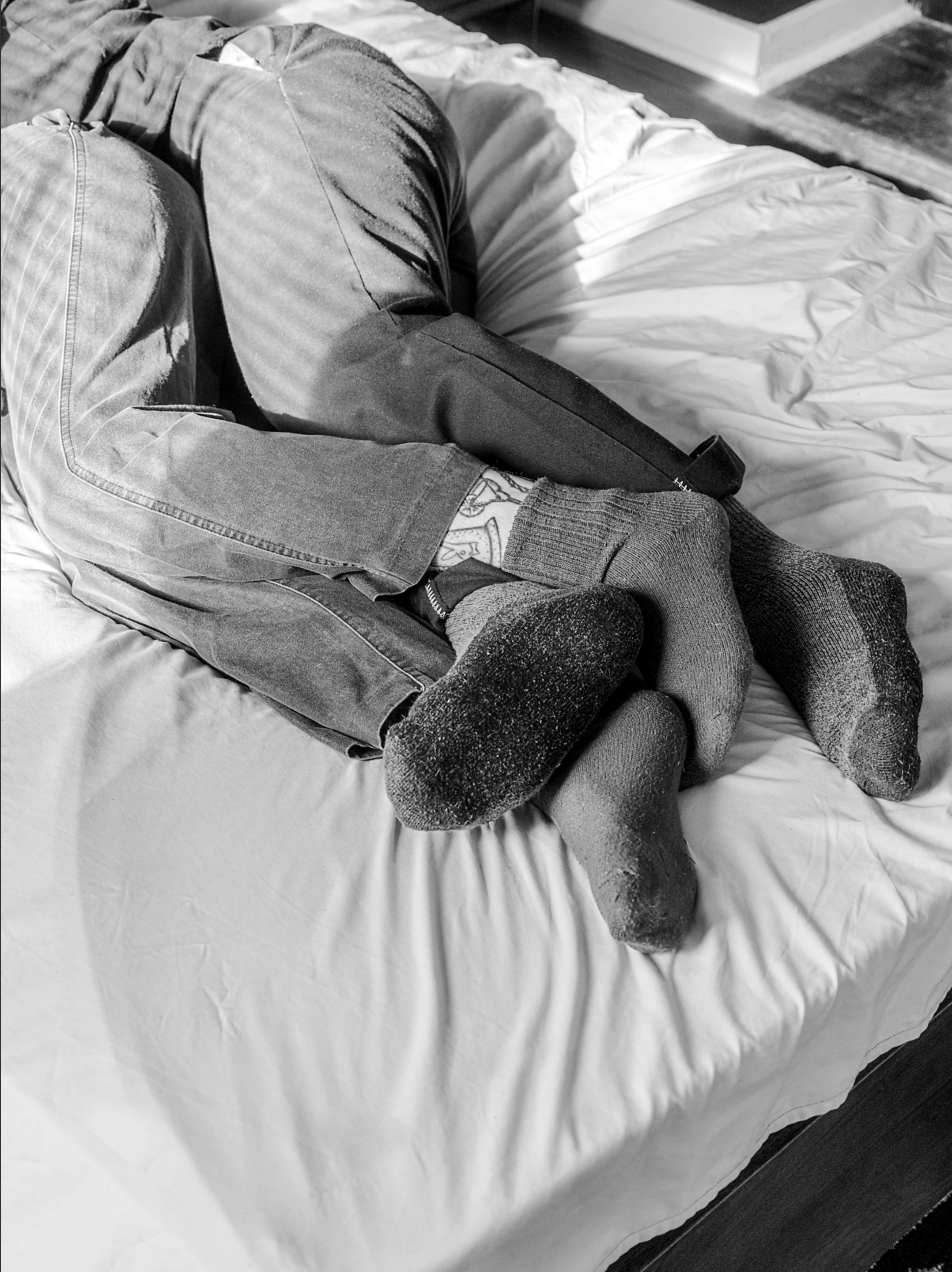
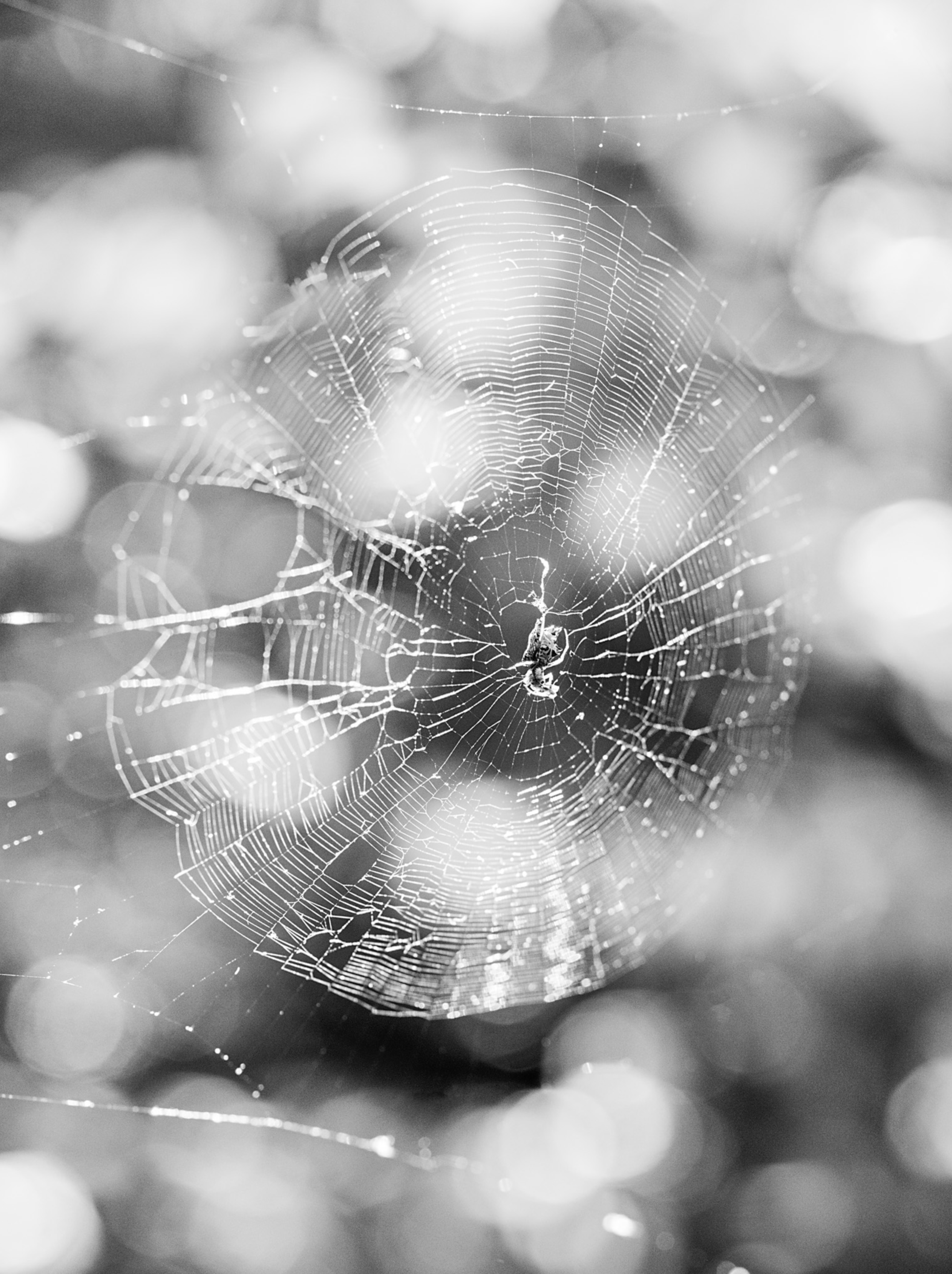
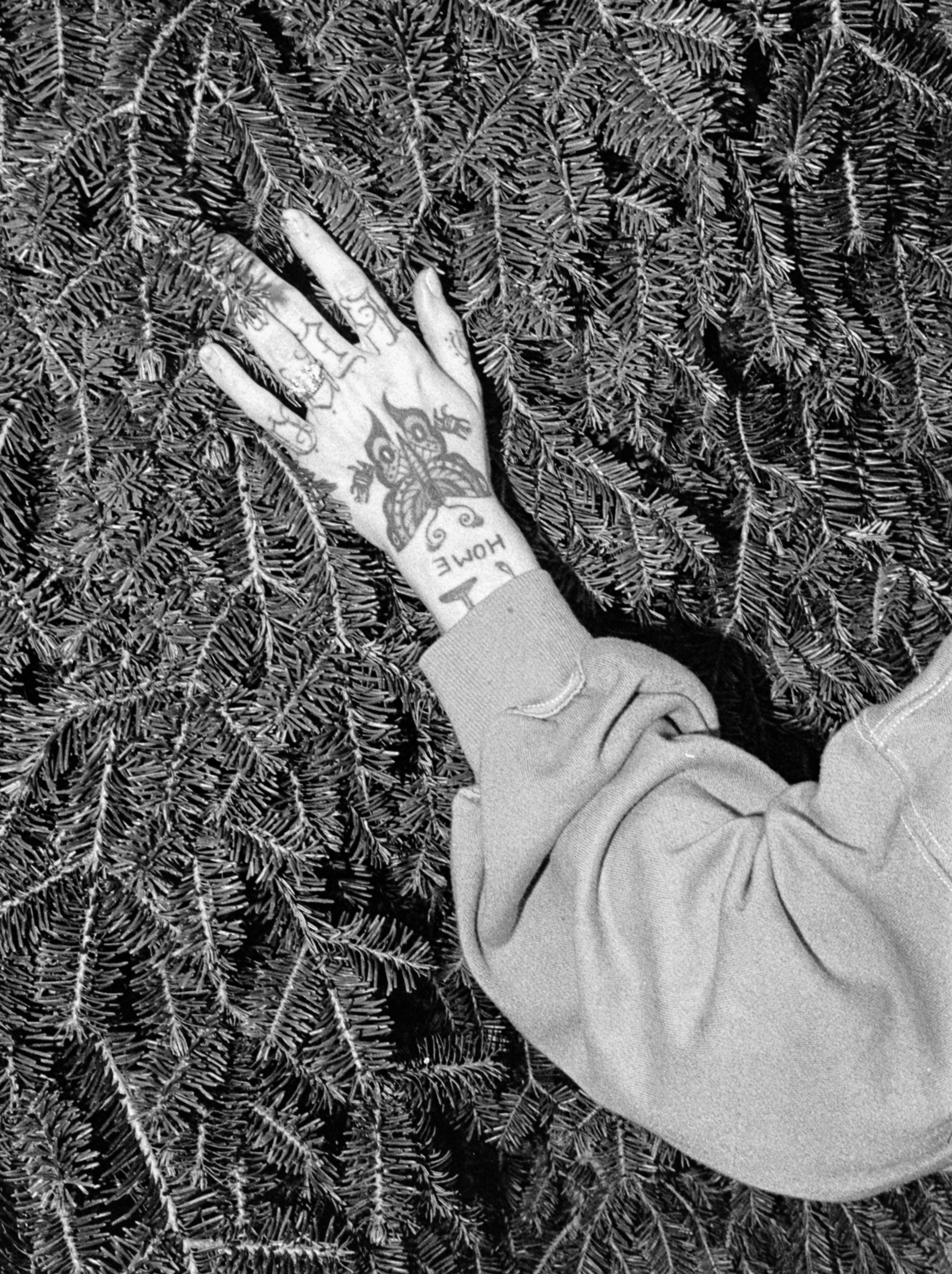
(top to bottom) Jesse Ly, a home. we’ll be fine, just take your time. reaching into the woods.